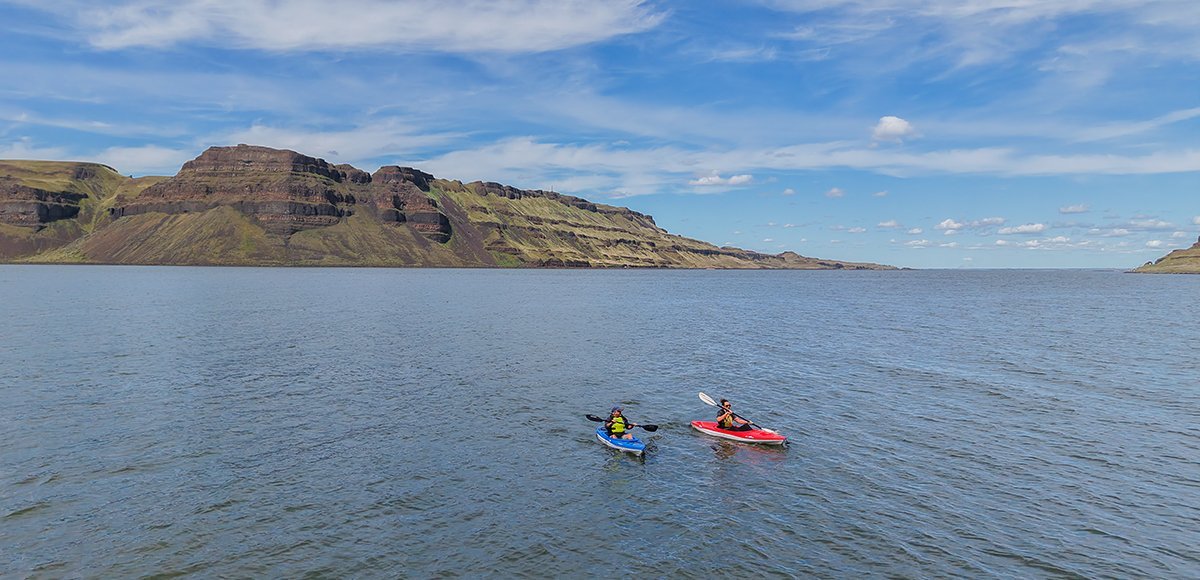
Basalt flows dating back millions of years spread far and wide; iconic Pacific Northwest rivers shifted course, trading channels; massive floods shaped the landscape for thousands of years, Wallula Gap’s past is a convergence—of geologic events, of rivers, of civilization.
Today, a convergence of industry builds upriver; waterways continue to provide passage as they have for millennia from the Inland Northwest to the ocean, not only for salmon but now for wheat, soy, wood products, and mineral bulks (Pacific Northwest Waterways Association).
There are so many layers that tell the story of Wallula Gap, and not just in the form of volcanic rock. The Yakima, Snake, and Walla Walla Rivers join the Columbia River within roughly thirty river miles of each respective confluence. “Wallula Gap is the largest, the most spectacular, and the most significant of the several large water gaps through basalt anticlines in the Columbia Basin,” (Wallula Gap National Natural Landmark).
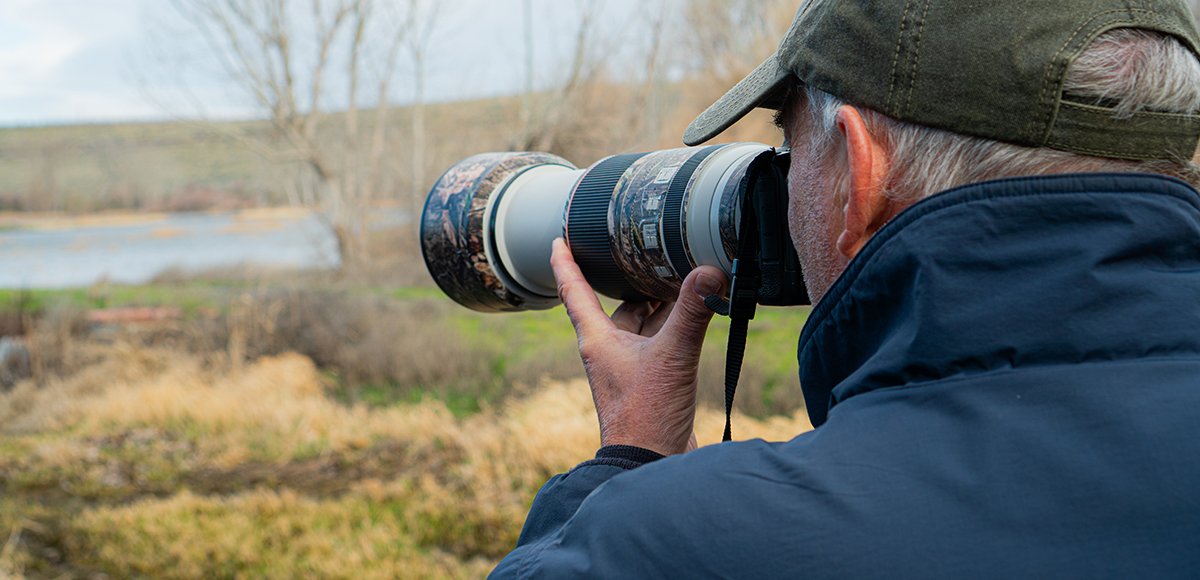
Millions of birds gather here, migrating as far north as the artic. Half the mallards in the Pacific Flyway overwinter at some time in this portion of the Columbia River Basin (McNary National Wildlife Refuge).
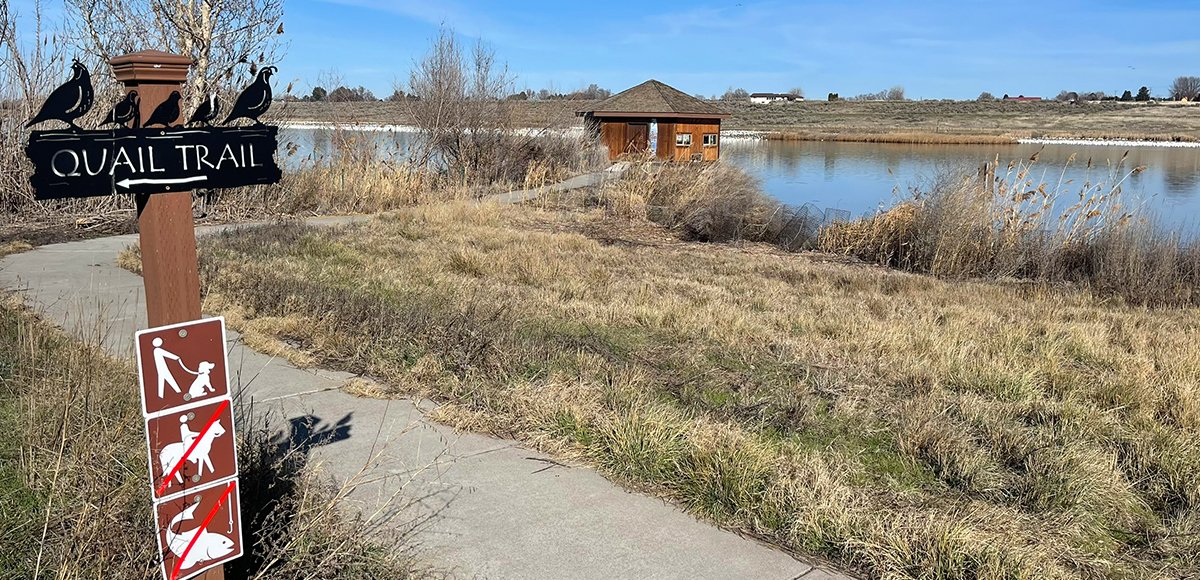
In addition to birding, outdoor recreation opportunities include hiking, kayaking, paddleboarding, fishing, horseback riding, and hunting. Layer recreation with natural history, heritage markers, and hopes for its future, and the result is a place that deserves visitation.
As Don Snow, Environmental Studies professor at Whitman College wrote in Where the Great River Bends, “It’s a desert place – shocking to some, inspiring to others – and it is a place worth knowing. Do your homework; go see it; let your imagination do the rest.”