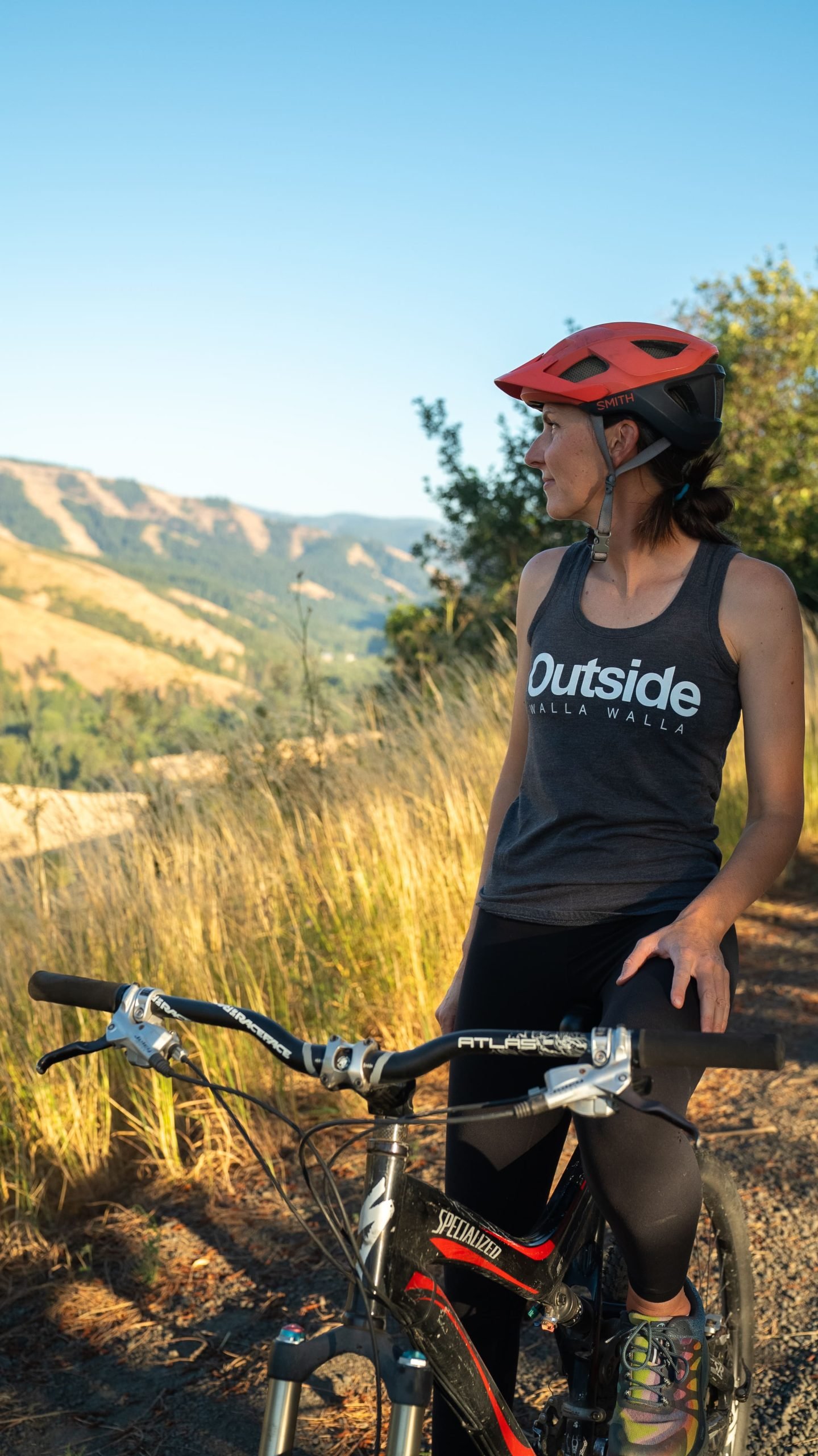
In the spring, the sprouting fields are so deliciously green, and, as summer fades, the golden hues of a bountiful harvest really steal the show. As magical as that seasonal promise of routine and tradition truly is, it also means there are some really, really big farm equipment on the road. The share-the-road mantra is next level in the Walla Walla Valley.
This warning is not to deter your inner cyclist, but rather prepare you for the fact that during certain parts of the year, wheat that was casually blowing with the breeze finds itself in the back of a large truck going at least 35 miles an hour. As someone who can put harvest driver on her resume, I implore you to realize that it is incredibly hard to ask a fully loaded truck to respond in a timely fashion.
Amenities
There are no public restrooms along the routes. Make sure to set out on the ride with ample water supply.
Regulations
The State of Washington considers those on a bicycle a vulnerable user of a public way. Washington does not mandate helmets, but please wear a helmet. The state does not define which lane riders use, but if slower than the flow of traffic, ride as far to the right as possible.
Perhaps of most use is the vehicle detection error law that allows riders to proceed through a traffic signal if that signal fails to respond to the rider. For more light reading, visit the Washington State Legislature website on the Revised Code of Washington, specifically Chapter 46.61.760.
In Oregon, similar laws apply, although helmets are required under the age of sixteen. Remember, bicycles are considered vehicles, and it is illegal to operate a vehicle while under the influence.
Wildlife Awareness
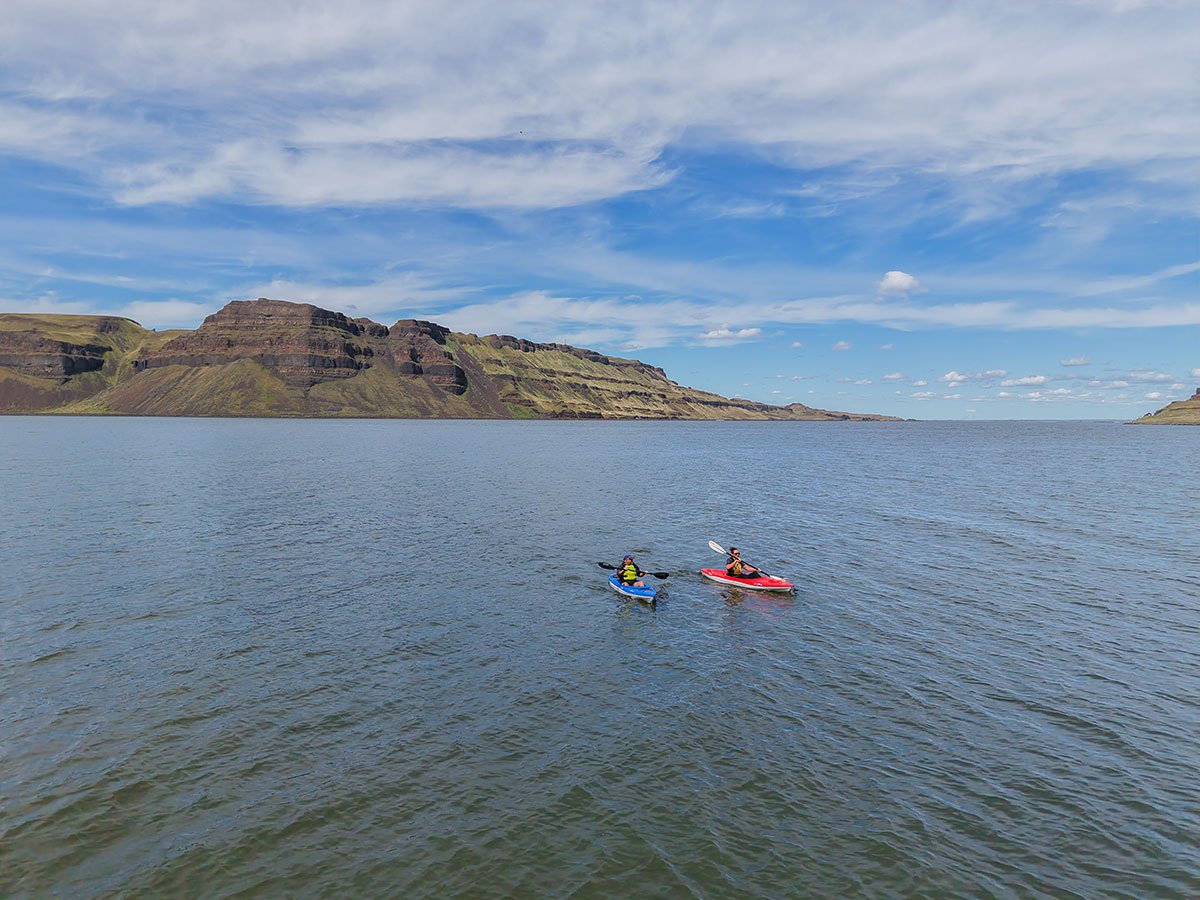
We are all so fortunate to recreate in the Blue Mountains and Walla Walla Valley. So many opportunities exist to play outside, whether in a national forest, wilderness area, or on a Wild and Scenic River. With these opportunities comes great responsibility to appreciate that we are mere visitors and should all take pride in being good stewards of the wild.
Many animals call these protected places home, including moose, elk, bear, cougar, bobcat, and snakes to name a few. Take precautions to respect their home and understand the appropriate response should an encounter occur.
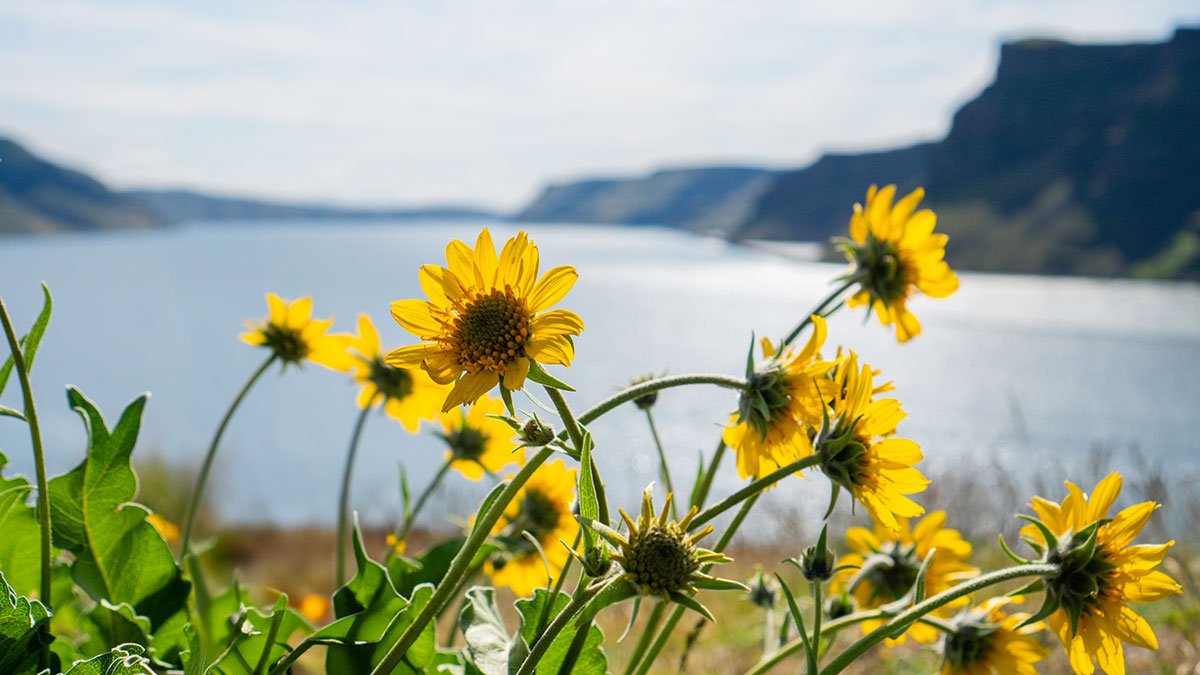
Additionally, many plant species thrive in the Blue Mountains, so staying on trail is always good practice.
Carry First Aid supplies to better respond to accidents or encounters, and always let others know where the day’s adventure is taking you.
Field Notes
Navigation: Consider downloading the Avenza Map app. This app allows users to upload three maps (or unlimited with a subscription) to use offline. It can track your location offline and overlay GPS data from the phone onto the map. The vehicle use maps (for trails allowing motorized vehicles) are the easiest to use.
Otherwise, Geo Tracker offers similar tracking capabilities and additional details about your adventure. If no service, Geo Tracker will at least show your location. The Blue Mountains and surrounding area offer a remote recreating experience, and knowing your location is paramount to staying safe. Always make sure to bring paper maps. Tell others where your adventure is taking you and when you expect to return.
Pets: In general, pets are allowed on a leash and under control throughout jurisdictions. The only restrictions we have encountered are around swimming areas. As a best practice, be mindful of riparian habitat in general. You never know where a precious spawning area might be located. Pack it in and pack it out applies to your furry friend as well.
Disclaimer: While the Outside Walla Walla team has enjoyed all the adventures listed on this site, we cannot provide real-time conditions & maintenance reports. Extreme weather can change access overnight. Volunteer groups might lose capacity to manage trail systems. We do our best to report that information and update our site accordingly, but please read our Disclaimer (footer) and proceed with any adventure as your comfort level allows.